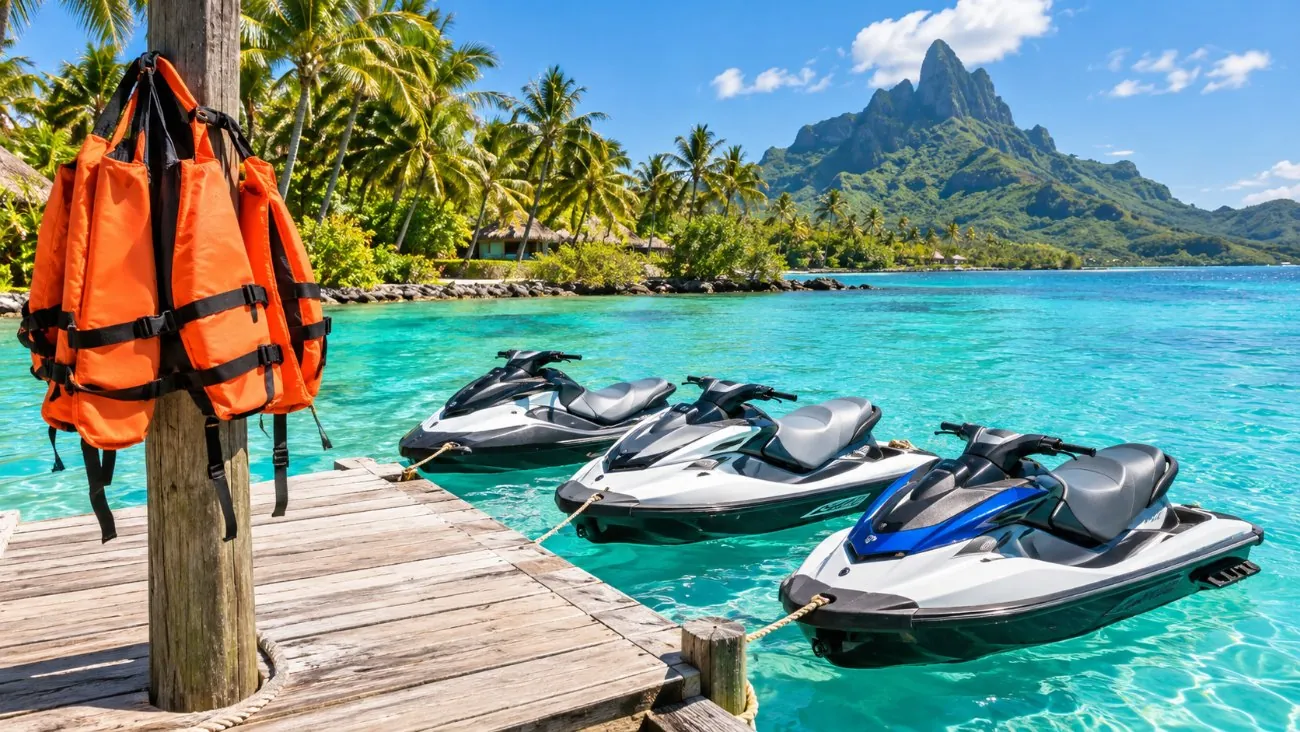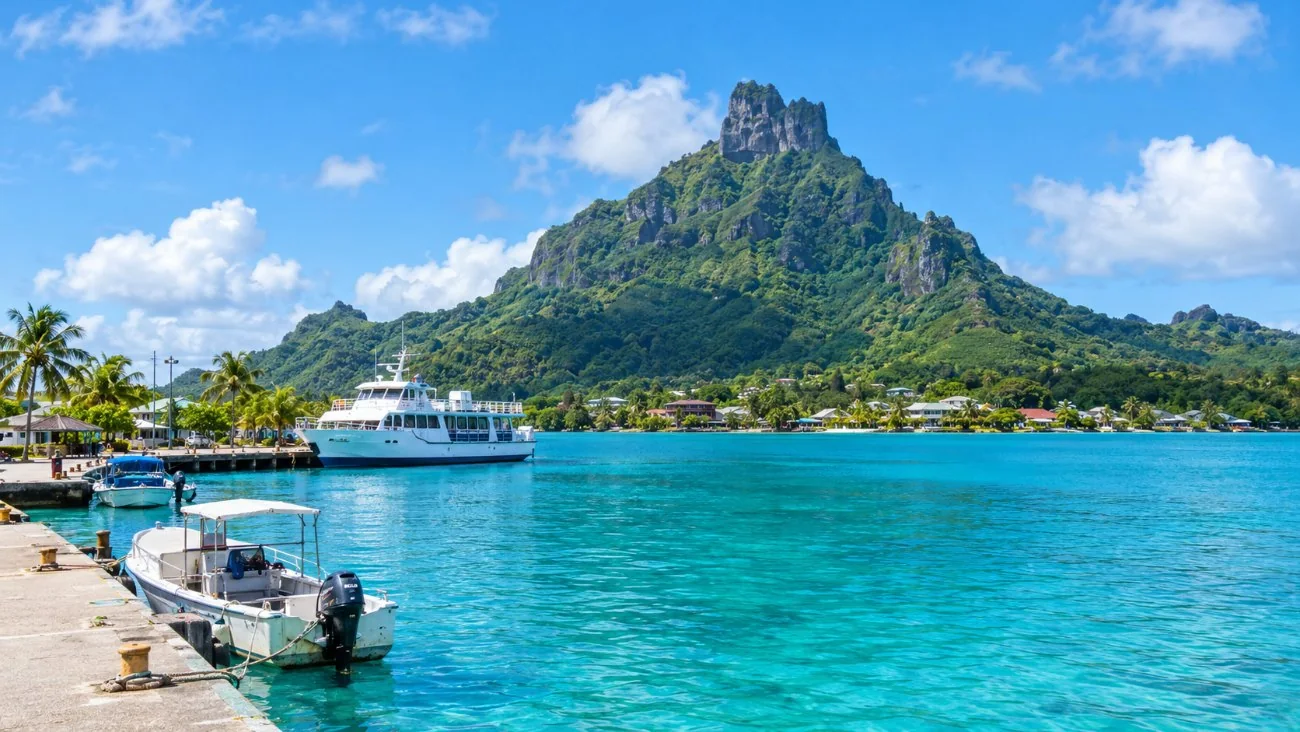
Booking choice: The jet ski tour around the island, 2 hours. Book this Tour details
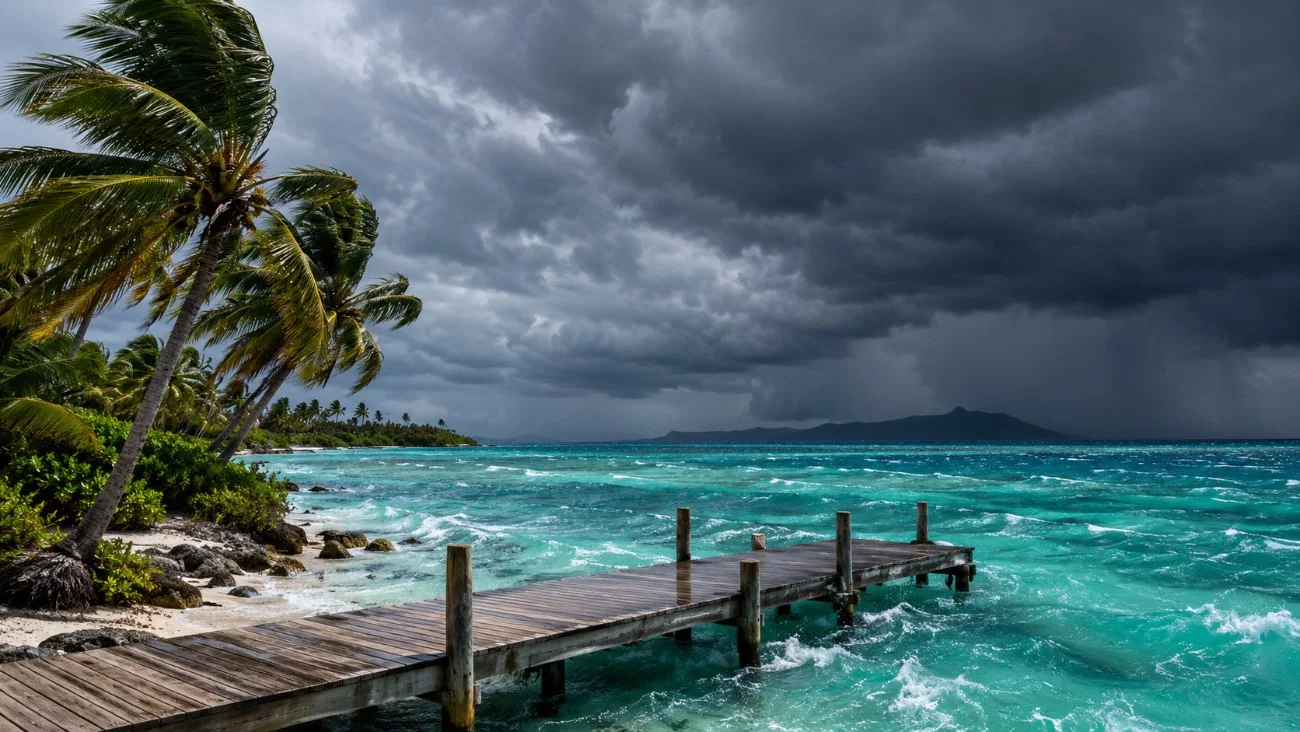
Most wet-season days are not cyclone days. The lagoon stays warm, and tours run. The risk is a run of bad days, or in a bad year a cyclone, that takes away the one morning you set aside for the water.
The 2026-2027 season deserves more attention than usual because of El Niño. Forecasters do not yet know how many storms it will bring. Météo-France presents its outlook for the territory on 27 October. Until then, the sensible move is to plan your jet ski day with room to move it. The two-hour jet ski tour has free cancellation up to 24 hours before, which helps.
The quick answer
The rainy season runs from November to April, wettest in December and January, and cyclones can form from November to April or May, with the peak from December to March. In October 2026 Météo-France gave a 100% chance of El Niño conditions to the end of the year, and NIWA called the event very strong, comparable to 1997. If the operator cancels a jet ski tour for weather, you are offered another date or a refund. Book your ride early in your stay.
When is cyclone season in Bora Bora?
From November to April, sometimes into May, with the peak from December to March. The rainy season covers the same months, wettest in December and January.
Météo-France Polynésie splits the year into a warm, wetter season from November to April and a cooler, drier one from May to October. In the Society Islands, which include Bora Bora, December and January are the wettest months. Its cyclone page gives the southern-hemisphere cyclone season as November to April, sometimes May. The UK Foreign Office also warns that tropical storms, including cyclones, can occur from November to April.
Cyclones are not a yearly event on Bora Bora. French Polynesia is hit on average about once every four years, according to a history of cyclones published by the power company EDT. The bigger day-to-day effect of the season is rain, squalls and choppier water.
| Months | Season | What it means for the lagoon |
|---|---|---|
| May to October | Cooler, drier season | Cyclones out of season; whales from July |
| November | Rainy and cyclone season begins | More showers; first storms possible |
| December to January | Wettest months | Cyclone peak begins; wettest stretch of the year |
| February to March | Wet; cyclone peak continues | Watch the forecast for the days around your tour |
| April (sometimes May) | Season ends | Risk falls |
What does El Niño mean for the 2026-2027 cyclone season?
A higher risk than usual for French Polynesia. El Niño seasons push the zone where cyclones form further east, towards the islands, and the 2026 event is a strong one.
The facts so far. NIWA, New Zealand's weather institute, said on 2 September 2026 that El Niño was established and about to reach the very strong category, comparable to 1997 and likely one of the strongest in recent history. On 8 October Météo-France gave a 100% probability of El Niño conditions from October to December 2026. For the Society Islands it forecast below-normal rain over those three months.
Why it matters. In El Niño years more cyclones form east of the date line, where French Polynesia lies. NIWA's 2015 outlook put the risk as elevated across French Polynesia for that reason. The 1997-1998 season is the reference: a very strong El Niño moved the storm zone east, and seven cyclones affected French Polynesia (Wikipedia). The El Niño season of 1982-1983 brought eight. The official outlook for 2026-2027 comes on 27 October, and on 8 October the State and the territory ran a large cyclone exercise to prepare (TNTV).
| Season | El Niño | Effect in French Polynesia |
|---|---|---|
| 1982-1983 | El Niño year | Eight cyclones recorded (EDT history) |
| 1997-1998 | Very strong | Seven cyclones affected the territory; Osea hit Bora Bora in November 1997 |
| 2026-2027 | Very strong (NIWA, September 2026) | Official outlook due 27 October 2026 |
Has a cyclone ever hit Bora Bora?
Yes. Cyclone Osea hit in November 1997 and Cyclone Oli in February 2010. Both damaged homes on the island and stopped transport.
Osea passed in late November 1997, at the start of that El Niño season. It destroyed or badly damaged more than 700 homes on Maupiti, Bora Bora and Raiatea. On Bora Bora about 30% of the infrastructure was destroyed, including 309 houses, and the north side and Vaitape were hit hardest (Wikipedia).
Oli came in early February 2010. Winds reached about 120 km/h on Bora Bora, 40 homes were destroyed, and about 650 tourists were stuck on the island after flights and boats stopped (Wikipedia). That is the practical risk for a visitor: not the jet ski tour, but the flights and boats around it. Our travel essentials guide covers getting to the island and back.
What do weather vigilance and cyclone alerts mean for boats?
Orange vigilance for wind, swell or waves means avoid outings at sea and water sports. Red means do not go on the water at all. Cyclone alerts come on top, set by the High Commission.
Météo-France runs a colour-coded vigilance for strong wind, heavy rain and storms, waves and coastal flooding, and high swell. At orange, its advice is to avoid trips at sea and leisure water sports, and to take extra care in the lagoon and near passes. At red, do not go on the water and do not swim in the areas concerned. Cyclone alerts are a separate system decided by the High Commission, in steps from pre-alert to orange, red and purple.
The authorities can also ban water activities outright. On 12 and 13 June 2026 the High Commissioner banned all leisure water activities on most of Tahiti and Moorea, including accompanied excursions, during a waves warning (High Commission). When Cyclone Nat passed in February 2024, leisure water activities stayed banned in the Society Islands until midnight after the alert was lifted (Radio1). On such a day no jet ski tour runs, whatever the sky looks like at your hotel.
| Level | Advice at sea | Effect on a jet ski day |
|---|---|---|
| Yellow | Be attentive; local or passing danger | Tours may run; the guide decides |
| Orange | Avoid outings at sea and water sports; care in the lagoon and near passes | Expect cancellation or a new date |
| Red | Do not go on the water; do not swim | No tours |
| Cyclone alert | Set by the High Commission, from pre-alert to purple | No tours; follow official instructions |
Free cancellation up to 24 hours before, pickup from your hotel or the Vaitape pier, and solo or double chosen at booking.
Book thisWhat happens to your jet ski tour if the weather turns?
If the operator cancels for weather, you get another date or a refund. If you cancel yourself, free cancellation on these listings ends 24 hours before the start.
Two different situations. If the operator calls the tour off because of wind, swell, storms or an official ban, Moana Adventure Tours says on Manawa that it offers a new date or a refund. The lagoon safari listing writes the same rule down: weather cancellation means another date or a full refund. If you decide yourself that the forecast looks bad, the two-hour jet ski tour and the per-ski island tour give free cancellation up to 24 hours before. Inside 24 hours, the operator's decision is what counts.
Whether a tour runs in showers is the guide's call on the morning, based on wind, chop and official warnings. You get wet on a jet ski anyway. One local guide site says the water tends to be calmer in the morning, so an early slot is worth asking for in the wet months.
- Book early in your stay. A ride on day two leaves several days to move it.
- Give a phone number that works in French Polynesia, so a change of plan reaches you.
- Motu hotel guests: pickup is on the main island, and the hotel boat to get there is a separate service that may be extra.
- Bring repellent. Dengue circulates, and rain brings mosquitoes (health service).
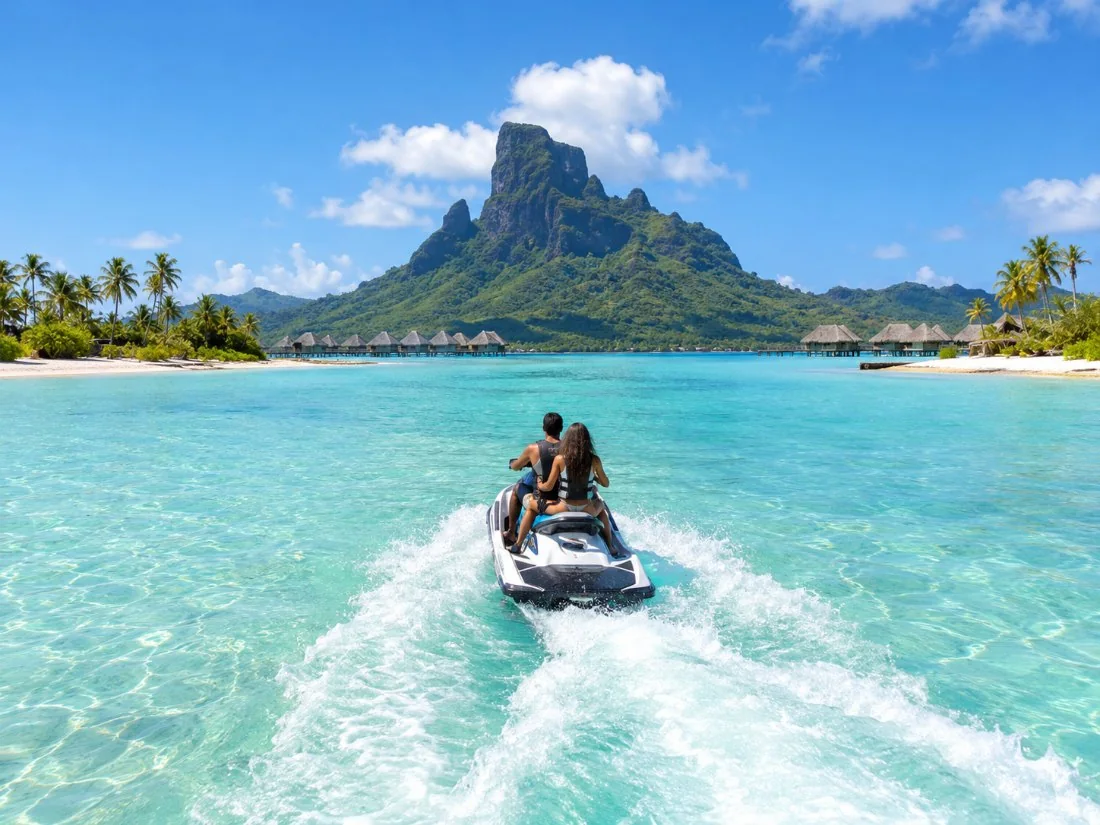
A two-hour guided jet ski loop of the lagoon with two swim stops and a coconut demo on a motu. Drivers 16+, passengers 11+, free cancellation up to 24 hours before.
Book this Tour detailsShould you avoid Bora Bora in the wet season?
Not by default. The wet season brings rain and a cyclone risk, but tours run on most days. Choose May to October if dry weather matters more than anything else.
The facts point both ways. The drier months, May to October, have less rain and no cyclone season. The wet months are warm and wetter. A cyclone is possible, more so in an El Niño year. Lagoon tours still run on the days between showers. If you travel in the wet season, your plan matters more than the month: spread the water days out, keep the first ones early, and leave a free day near the end.
For a short stay in December or January, think about a combo day rather than one two-hour slot. A six-hour day such as the jet ski, lunch and shark-ray safari fills one good weather window with everything. Our best time to visit guide compares the months, and our whale season post covers the drier end of the year.
Frequently asked questions
When is cyclone season in Bora Bora?
From November to April, sometimes into May, with the peak from December to March. December and January are also the wettest months in the Society Islands.
Will El Niño bring more cyclones to Bora Bora in 2026-2027?
The risk is higher than usual. El Niño moves the zone where cyclones form east towards French Polynesia, and the 2026 event is very strong. Météo-France gives its official outlook on 27 October 2026.
What happens if my jet ski tour is cancelled for bad weather?
If the operator cancels for weather, you are offered another date or a refund. If you cancel yourself, free cancellation on the jet ski listings ends 24 hours before the start time.
Do jet ski tours run in the rain?
It depends on the day. The guide decides on the morning, based on wind, chop and official warnings. Orange or red vigilance for the sea, or a cyclone alert, means no tour that day.
Ready to book
Choose your tour
Each option opens on GetYourGuide with the operator named and the inclusions listed.
Bora Bora Jet Ski Tour Around the Island
- Pickup from your hotel or the Vaitape pier
- A local guide and all the equipment, life jacket included
- Two swim stops, one on a motu with a coconut husking demonstration
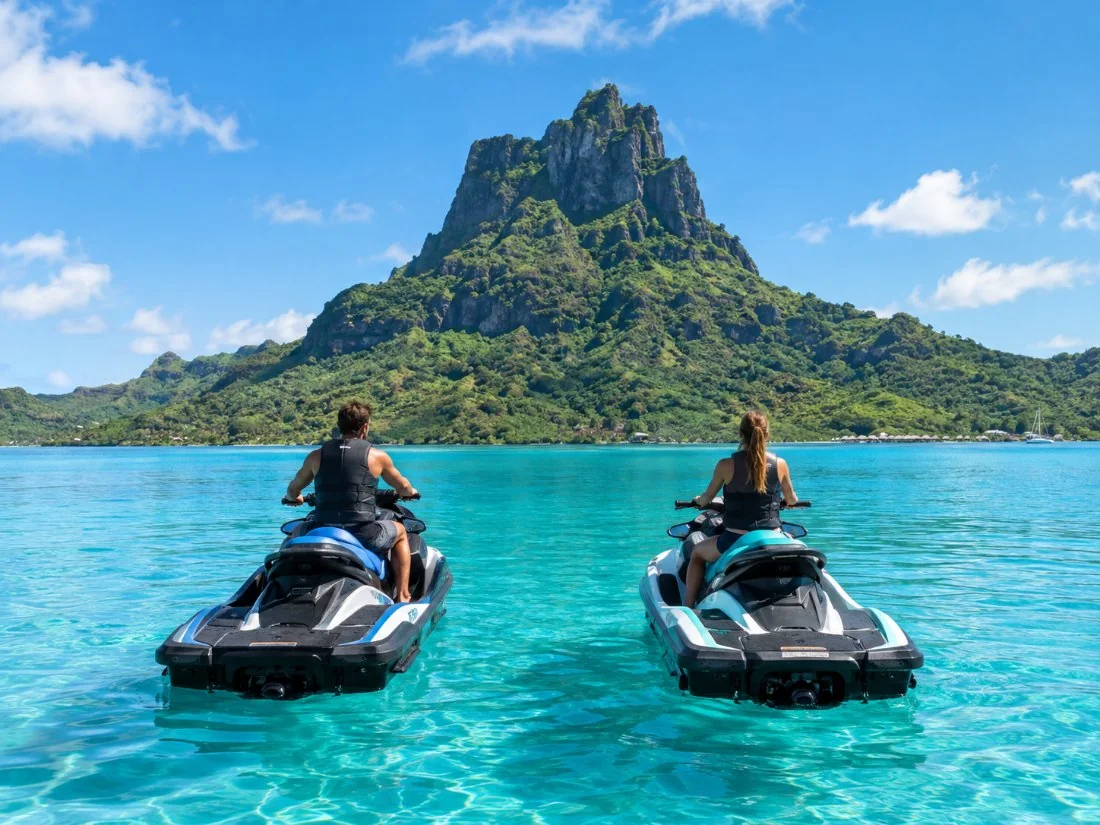
Jet Ski Around Bora Bora with Motu Stop
- Pickup and drop-off at main-island hotels and Vaitape
- A local guide, born on the island
- Jet ski equipment and a safety briefing
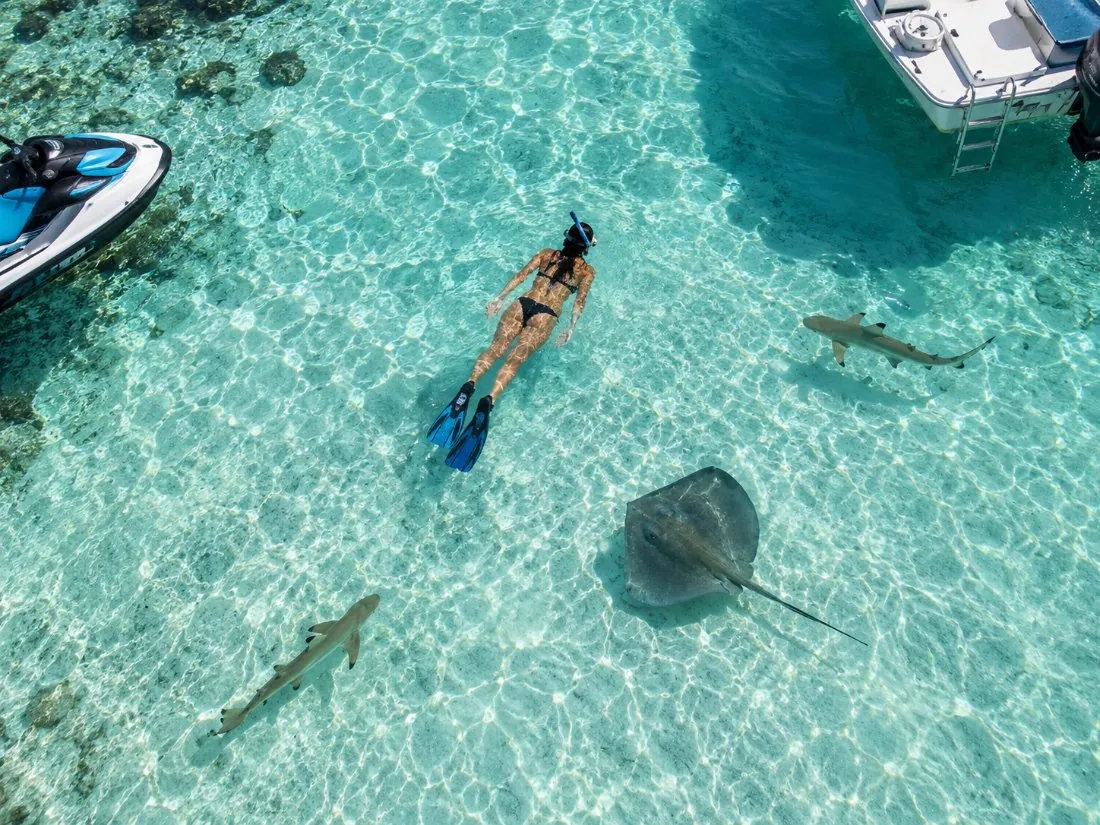
Jet Ski, Lunch & Shark and Ray Snorkel Safari
- Hotel pickup and drop-off
- A two-hour guided jet ski tour of the island
- Lunch at a restaurant on the main island